Dalton's journey with Severe Congenital Neutropenia
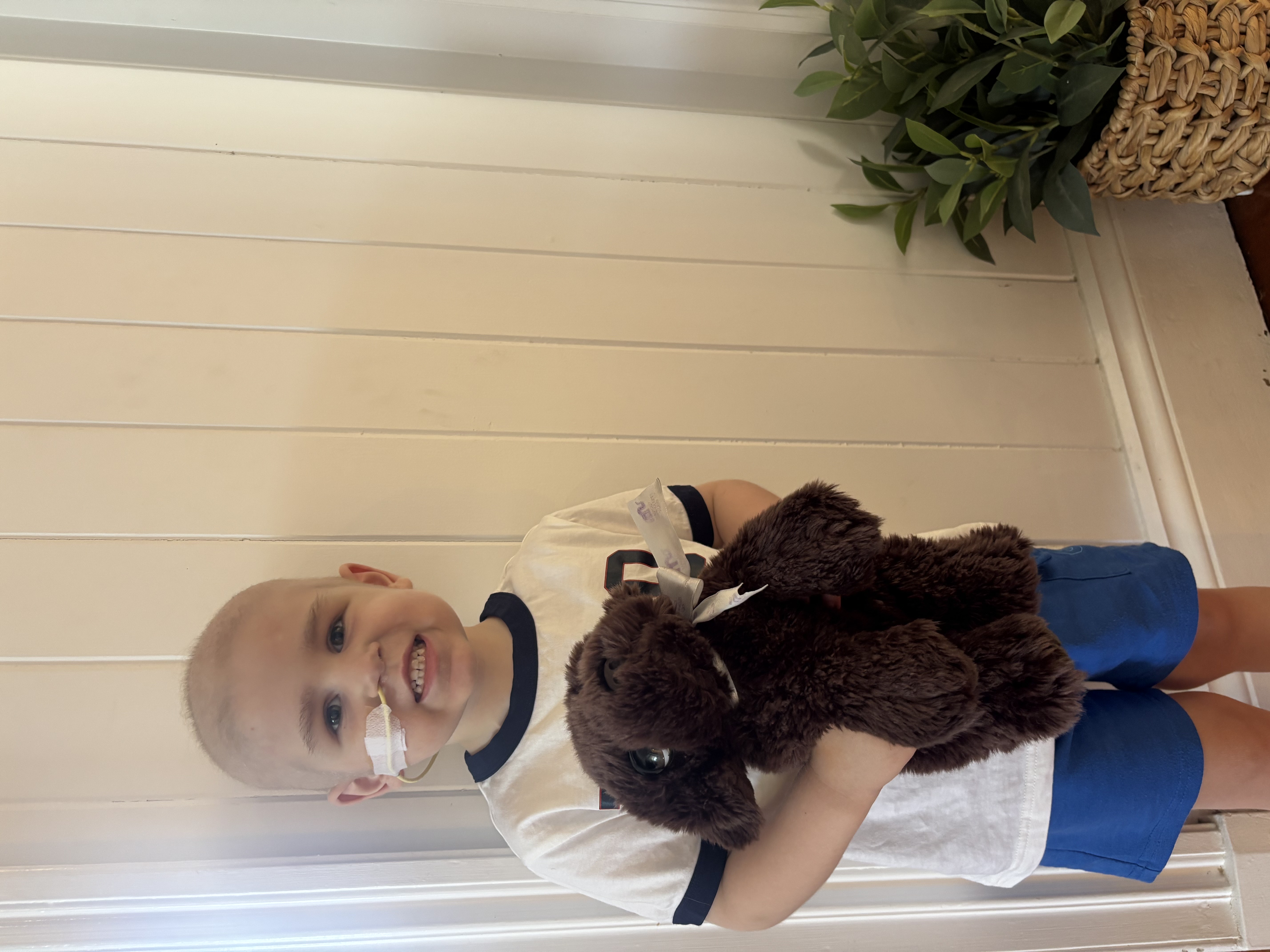
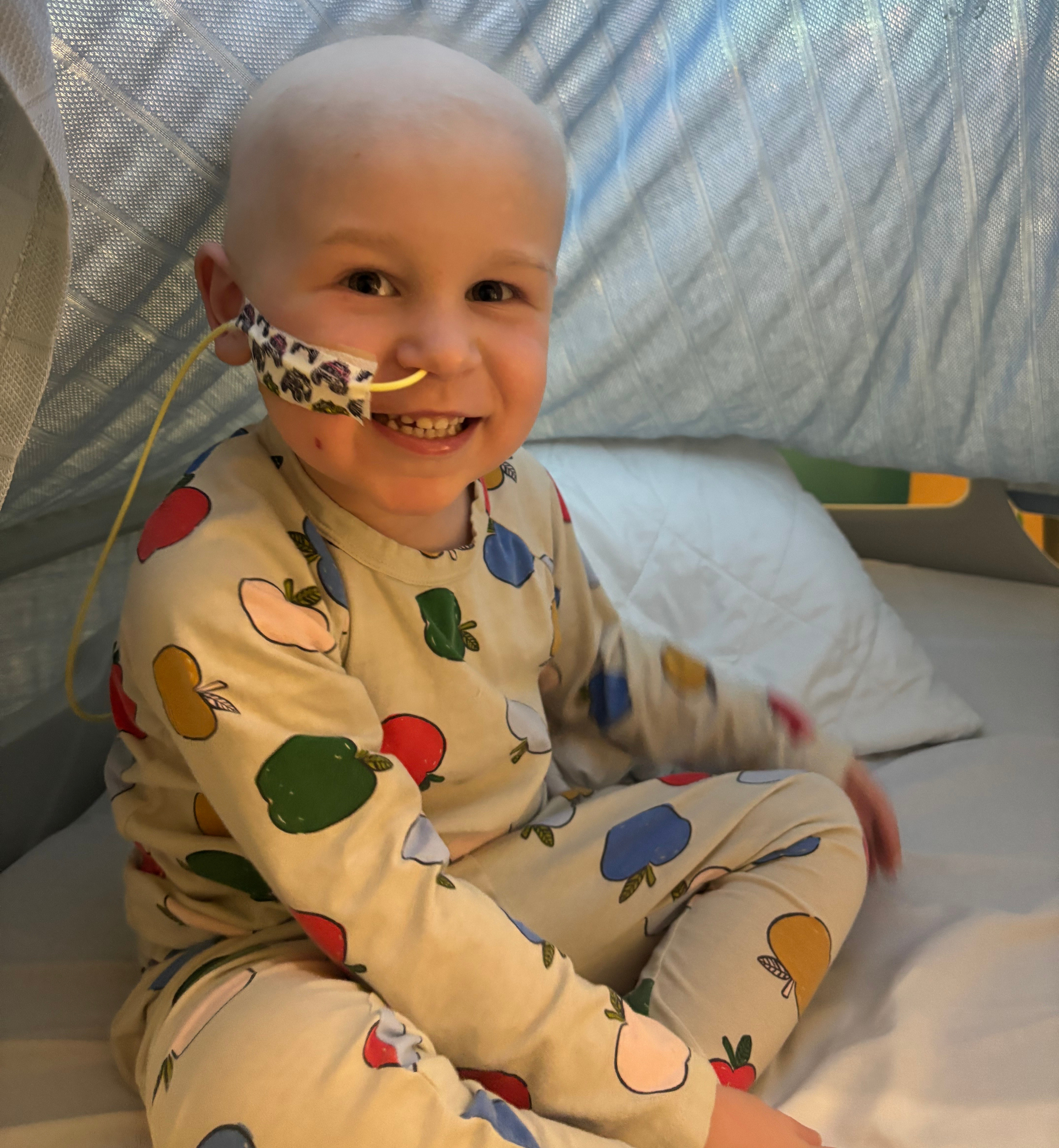
Four-year-old Dalton is a happy little boy with a cheeky, adventurous spirit. Yet in his short life he has already faced extraordinary challenges. Through it all, the love, strength and unwavering support of his parents, Fleur and Alex, and his big brother Elliot have been at the heart of his journey.
Dalton had a relatively normal first year of life. Like many children, he frequently became unwell after starting childcare at 11 months old. As a mum of two, Fleur was familiar with the illnesses that often come with starting childcare but noticed that Dalton seemed to take much longer than other children to recover.
"He would get sick and just really struggle to get better," Fleur recalls.
What followed was a frightening cycle of infections and emergency department visits. Dalton had become increasingly lethargic and after initially being sent home from yet another hospital visit, the family received a phone call in the middle of the night instructing them to return immediately.
Blood tests had revealed Dalton's neutrophil count was dangerously low. Neutrophils are a type of white blood cell essential for fighting infection. Doctors initially suspected Dalton had autoimmune neutropenia. Whilst concerning, it is a condition many young children eventually outgrow. Dalton began receiving injections to stimulate neutrophil production, which soon became a daily necessity.
It was an overwhelming adjustment for the young family. Alongside the emotional difficulty of giving their toddler daily injections came the practical challenges of preparing medication, managing dosages, attending regular blood tests and balancing the demanding treatment routine with caring for both Dalton and his older brother.
Despite these challenges, the family held onto the hope that Dalton would eventually grow out of the condition. But as doctors continued investigating, further genetic testing revealed something more serious.
Dalton was diagnosed with Severe Congenital Neutropenia, a rare genetic Bone Marrow Failure Syndrome that affects the body's ability to produce enough healthy neutrophils to fight infection. The diagnosis also placed him at increased risk of developing blood cancers, including Myelodysplastic Syndrome and Acute Myeloid Leukaemia.
This condition was not something he would simply outgrow.
"It very much felt like a life-changing diagnosis. The future suddenly felt really uncertain."
While medication could help manage Dalton's condition, it would not eliminate the longer-term risks. A stem cell transplant offered the possibility of a cure but carried significant risks of its own.
Unlike many other serious childhood illnesses, there was no clear treatment pathway.
Fleur and her husband Alex were faced with an incredibly difficult decision.
"One of the things that we found really hard, was getting that diagnosis and hearing how rare it is," Fleur explains.
"Because there was no clear treatment pathway, it very much felt like our decision. We found it really difficult to find information that would help us make an informed choice on how to move forward.”
With small patient numbers and limited research to guide the path ahead, the family spent months weighing their options with the support of their clinical team.
As Christmas approached, the weight of that decision became overwhelming.
"I just remember feeling like, what if this is our last Christmas with him?" Fleur shares.
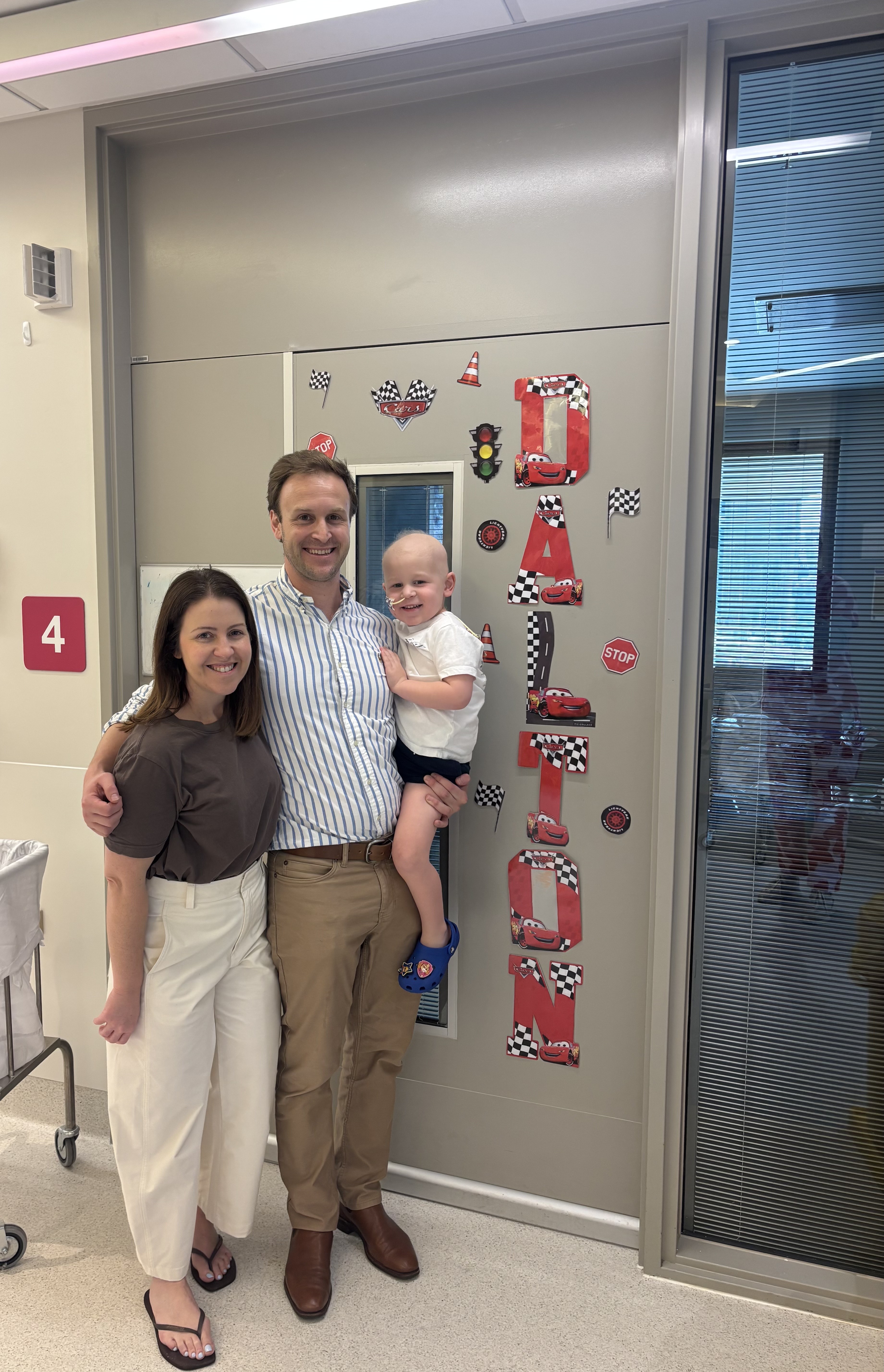
Whilst they were still yet to make a decision, during an appointment with Dalton's specialist, Fleur and Alex learned that their eldest son, Elliot, was a perfect stem cell donor match for his little brother.
The news came as a complete surprise.
“We’d been carrying so much worry about whether we would even find a donor if we chose that path. Then, to be told we had a perfect match, I just burst into tears.” Fleur recalls.
Knowing Elliot could be Dalton's donor helped the family move towards a decision, but it also meant asking something extraordinary of their five-year-old son.
Fleur and Alex were conscious of the emotional impact on Elliot, who had already spent much of his young life watching his little brother receive medical attention.
They created a picture book to help explain the donation process and why it was important.
"He was really scared," Fleur remembers.
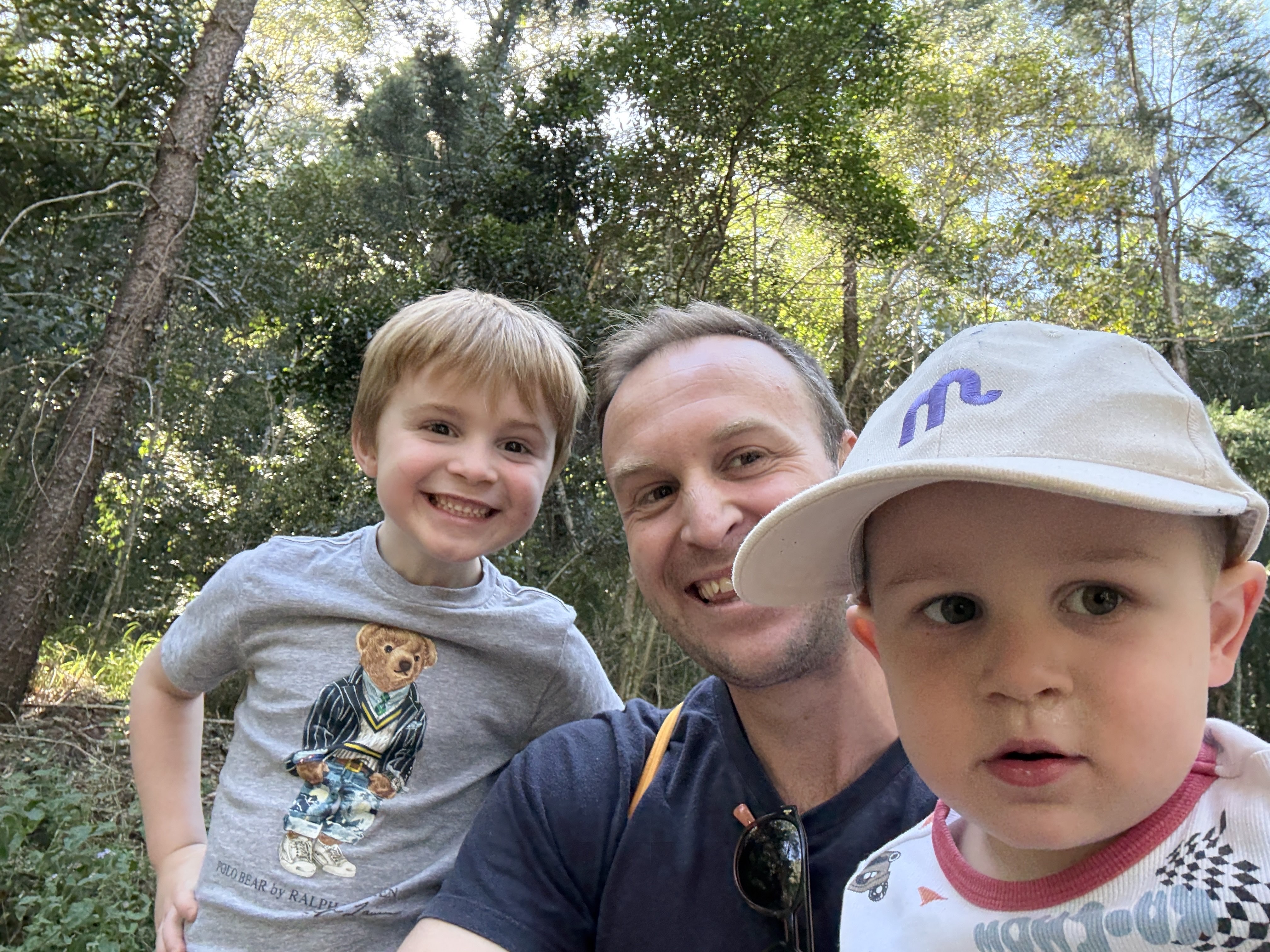
After careful consideration, the family decided to proceed with the transplant. Elliot showed remarkable courage and despite his fears, he wanted to help his little brother and donate his stem cells.
As the transplant approached, Fleur searched for people who could understand what her family was experiencing. But finding support wasn’t easy.
Dalton didn't have cancer, so traditional childhood cancer support groups weren't quite the right fit, while other transplant support services primarily focused on adults.
"I remember people saying, there's got to be stuff out there. And I'm like, there's really not," Fleur recalls.
It was during an online search that Fleur discovered Maddie Riewoldt's Vision and connected with a specialist nurse through the Tele-Support Service.
For the first time, she felt she had found someone who understood the complexities of Dalton's condition and the decisions her family faced.
Fleur received emotional support, practical guidance and help preparing for what to expect during the transplant process.
She also joined the Maddie's Vision Peer Support Group and attended their Patient & Family Educational Sessions.
"By the time we went in for transplant, yes, it was incredibly scary and daunting, and there was a lot of fear, but I really knew everything that was going to happen."
That preparation made a meaningful difference, and the support continued throughout Dalton's treatment and recovery.
While Fleur's attention was focused on her children, the Tele-Support Service team also recognised the emotional toll on her and Alex.
"The nurses from the Tele-Support Service were always checking in – how are you and Alex doing? What support have you got in place for yourselves?"
For Fleur, knowing someone was looking after the wellbeing of the whole family was invaluable.
In September 2025, Dalton received his stem cell transplant, with Elliot as his donor.
Dalton spent approximately six weeks in hospital. Fleur and Alex alternated nights by his side while managing Elliot's care at home.
Although Dalton tolerated the treatment well, the experience was demanding for everyone. Even after returning home, the family faced restrictions as Dalton recovered, and both boys struggled with the limitations on their usual activities.
Gradually, however, life began to change.
In September 2026, the family celebrated Dalton's first transplant anniversary, marking his special "rebirthday”.
Today, Dalton is producing neutrophils on his own.
"He is now at a point where the message from the doctor is - he now has a fully functioning immune system," Fleur shares.
It's an extraordinary milestone for Dalton and his family. He is now enjoying the simple pleasures of childhood and is looking forward to starting kindergarten next year.
While Dalton has made remarkable progress, his journey is far from over. The family continues to navigate the long-term physical and emotional impacts of his condition and treatment, alongside ongoing risks to his health.
Throughout Dalton's diagnosis and treatment, the lack of available research made already difficult decisions even harder. Advances in understanding these rare conditions and developing new treatment options are urgently needed.
At the University of Tasmania, Associate Professor Kirsten Fairfax and her team are undertaking vital research funded by Maddie Riewoldt's Vision, thanks to the generous support of the Tasmanian Government through the Alex Gadomski Fellowship. Their work is making encouraging progress towards developing gene-editing approaches for inherited Bone Marrow Failure Syndromes, including Severe Congenital Neutropenia.
“Our research is exploring whether gene-editing technology could one day be used to correct the genetic changes responsible for inherited Bone Marrow Failure Syndromes, opening the door to new treatment possibilities.
We have made some exciting early progress, developing a laboratory model that allows us to study these genetic changes and have successfully demonstrated gene editing in laboratory stem cells. We are now working to improve the effectiveness of this approach.
While there is still a long way to go, each of these advances brings us closer to understanding how we might develop new treatments that could transform the lives of patients and families affected by these devastating conditions.”
- Associate Professor Kirsten Fairfax, University of Tasmania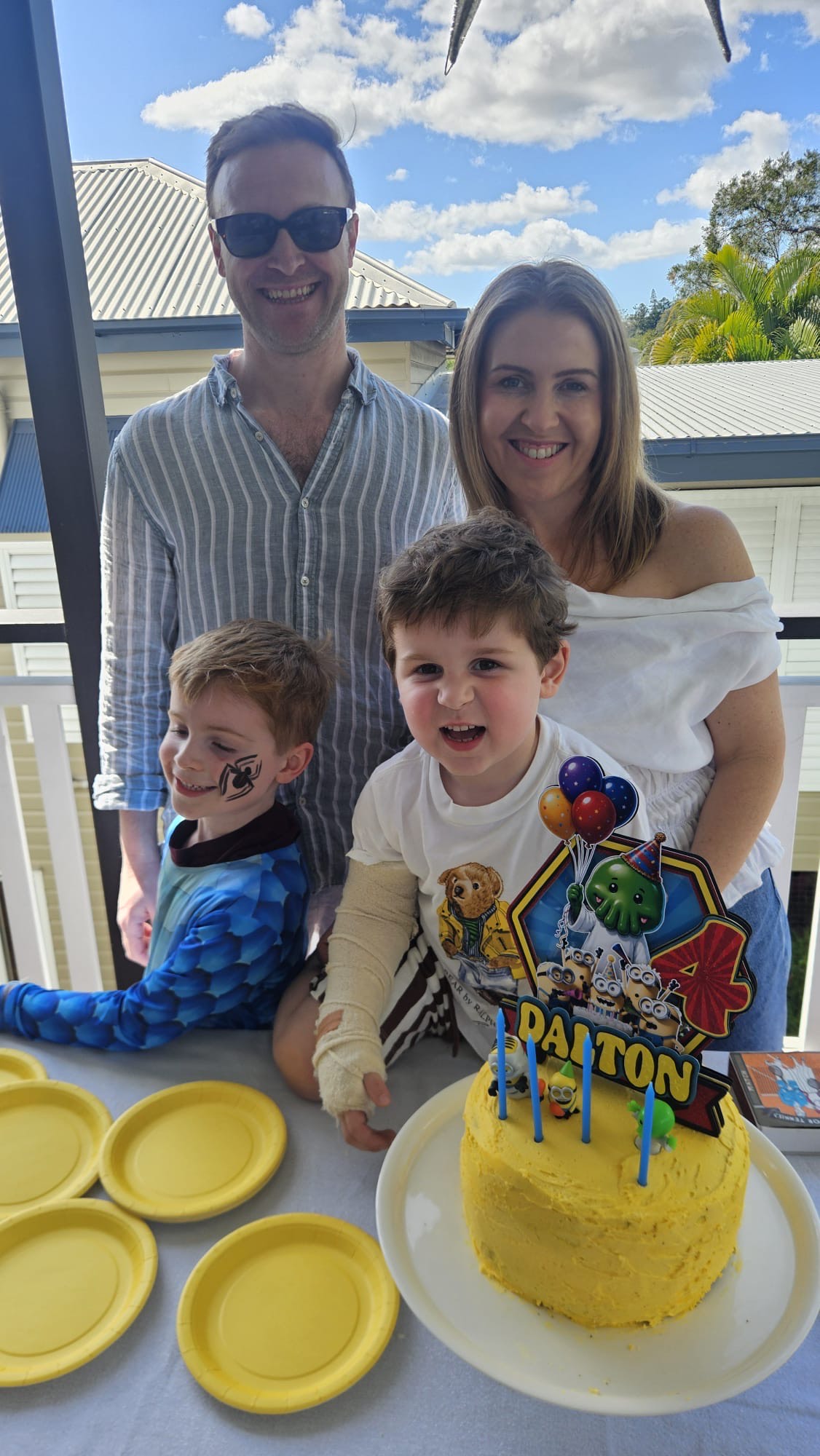
For families like Dalton's, greater research and understanding, alongside access to specialist support, are essential to navigating the challenges of a rare diagnosis.
Looking back, Fleur can now appreciate just how much of their lives were consumed by Dalton's condition.
"You don't associate it as stressful at the time because it's just your normal. And then you look back and you go, wow, that was a lot."
This Christmas, the family is looking forward to returning to Perth to visit family and friends. It's a trip that holds particular significance for Fleur, who remembers spending the previous Christmas wondering whether it might be their last with Dalton.
While they know there may still be challenges ahead, Fleur is looking forward to watching her boys grow up, knowing they share a bond that neither can yet fully understand.
Throughout the transplant process, Fleur and Alex were careful not to place the weight of Dalton's future on Elliot's shoulders. Instead, they explained that he was giving his little brother a very special gift.
Sharing Dalton's story is also a way of supporting other families facing the uncertainty of a rare diagnosis.
"It's that sharing of journeys that gives parents in our situation a little bit more comfort," she says.
After everything their family has endured, Fleur and Alex's greatest wish is one shared by every parent, and one every family deserves - the chance to watch their little boy grow up, and live a long, healthy and happy life.